

1
/
of
1
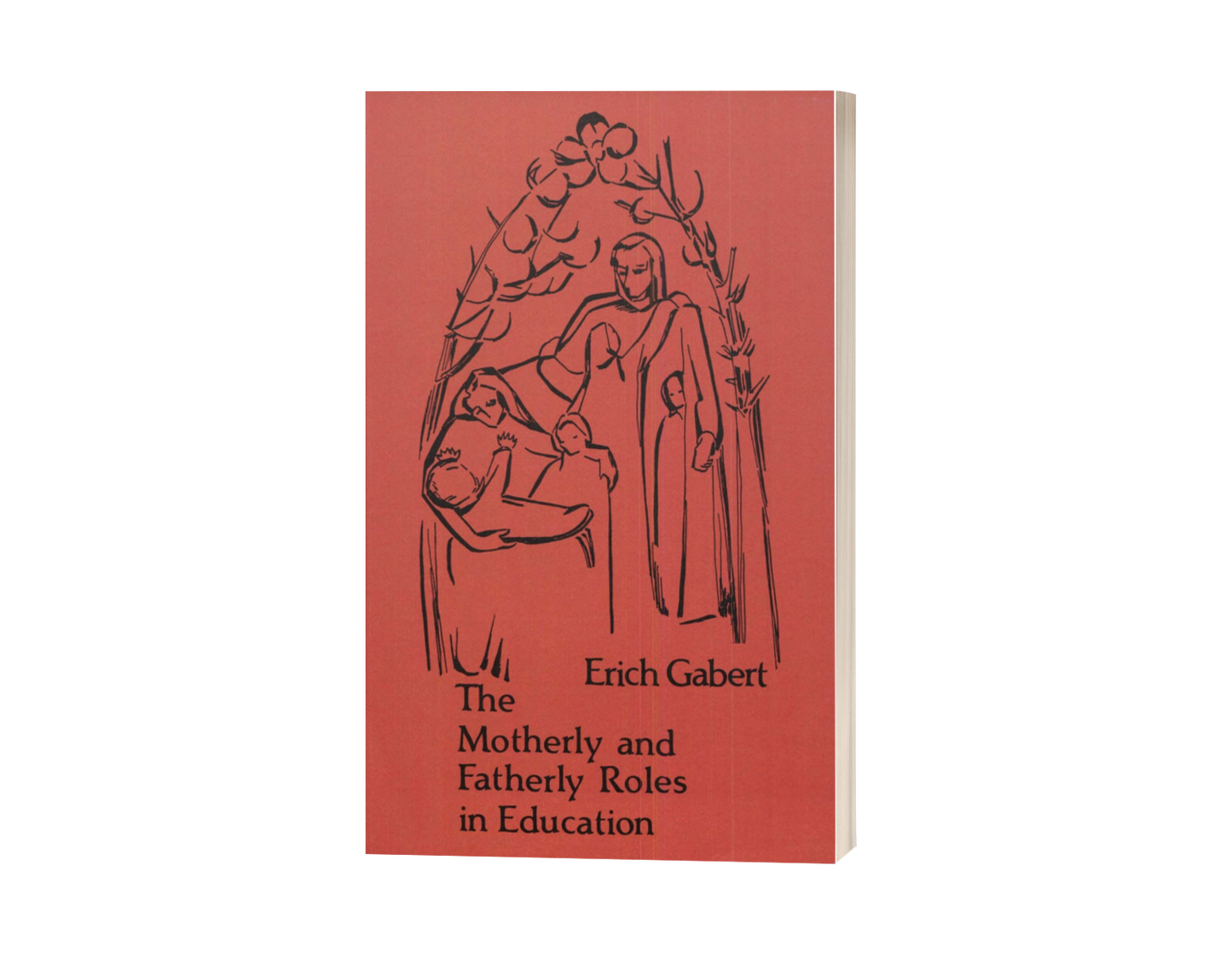
The Motherly and Fatherly Roles in Education
The Motherly and Fatherly Roles in Education
Erich Gabert
PaperbackRegular price
$40.00 USD
Regular price
Sale price
$40.00 USD
Unit price
/
per
Free domestic shipping on orders of $50+
Couldn't load pickup availability
Published through the lens of Waldorf education and anthroposophy, the book provides a philosophical and pedagogical exploration of how the distinct spiritual and psychological qualities of "motherly" and "fatherly" archetypes influence a child's development and formal schooling.
Core Themes and Synopsis
- Archetypal Energies, Not Gender Roles: Gabert clarifies that "motherly" and "fatherly" do not strictly map to biological mothers and fathers or male and female teachers. Instead, they represent two essential, complementary forces in education that every educator must learn to balance.
- The Motherly Role: This archetype embodies unconditional acceptance, nurturing, protection, and deep emotional connection. In an educational setting, the motherly element builds the child's foundational sense of security, trust, and belonging in the world. It meets the child where they are and shelters their early development.
- The Fatherly Role: This archetype embodies boundaries, structure, discipline, and introduction to the wider world. The fatherly element challenges the child, introduces rules, fosters accountability, and helps the child develop the resilience needed to navigate external reality and societal expectations.
- Spiritual Origins of the Child: Gabert dedicates portions of the text to the preexistent spiritual being of the child. He explores how a child transitions from the spiritual world into the physical world, arguing that the motherly role assists in "incarnating" into the body, while the fatherly role helps the child confront the outer world.
- Resolution of Educational Conflicts: A major focus of the book is examining the friction that arises when these roles conflict within a school system. Gabert argues that modern education often suffers from an imbalance—either becoming overly rigid and cold (excessive fatherly energy) or lacking structure and direction (excessive motherly energy). He offers pathways for teachers to harmonize both roles to create a balanced, holistic learning environment.
Historical Context
Gabert uses classical and medieval narratives to anchor his theories. For example, he opens the book with a deep-dive analysis of the parental elements present in the medieval epic Parzival, using the protagonist's journey to illustrate how a soul naturally seeks out and integrates both maternal and paternal forces to achieve maturity and spiritual awakening.
| Language | English |
| Publisher | Anthroposophic Press |
| Publication Date | 1977 |
| Pages | 59 |
| Dimensions | 5.5 x 8.25 |
Condition Descriptions
Condition Descriptions
Like New: Book may have very minor cosmetic defects (marks, wears, cuts, bends, crushes) on the cover, spine, pages or dust cover. Pages are clean and not marred by notes.
Very Good: Book may have minor cosmetic defects (marks, wears, cuts, bends, crushes) on the cover, spine, pages or dust cover. Dust cover may be missing. Pages are clean and not marred by notes. May include "From the library of" label.
Good: All pages and cover are intact, but dust cover may be damaged or missing. Cover, spine, pages or dust cover may show signs of wear. Pages may include some notes and highlighting. May be a former library book or include "From the library of" label.
Acceptable: All pages and cover are intact, but dust cover case may be damaged or missing. Cover, spine, pages or dust cover may show significant signs of wear. Pages may include moderate notes, highlighting, and/or minor water damage, warping, etc., but the text is readable. May be a former library book or include "From the library of" label. Acceptable products are final sales and are not returnable.
Monetary Donations
111 donations